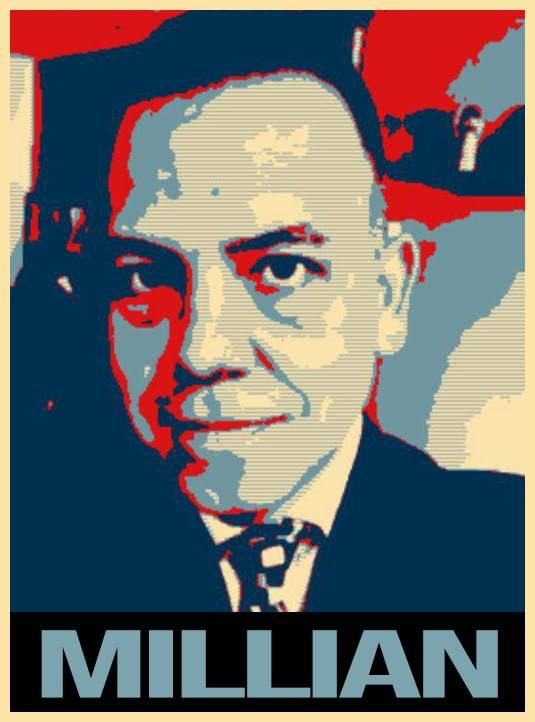
Embrace Change: Why Voting Third Party in Local Elections Is the Way Forward

Vote Millian for Assembly 3 Nevada
In recent years, there has been a growing sense of disillusionment with the two major political parties in our country. Many people feel trapped in a cycle of partisan gridlock and ideological polarization, where compromise and progress seem like distant dreams. But there is a way out of this political quagmire, and it starts with embracing third-party candidates in local elections.
Breaking the Duopoly
For too long, our political system has been dominated by two major parties, each vying for power and influence at the expense of genuine representation and accountability. But as dissatisfaction with the status quo grows, more and more voters are realizing that there is another option: third-party candidates who offer fresh perspectives and alternative solutions.
By voting for third-party candidates in local elections, we can begin to break the stranglehold of the two-party duopoly and inject new energy and ideas into our political discourse. Rather than settling for the lesser of two evils, we can choose candidates who truly represent our values and priorities.
Holding Power Accountable
One of the biggest advantages of third-party candidates is their ability to hold the major parties accountable. When third-party candidates win seats in local government, they serve as a check on the power of the established political elite, ensuring that no single party becomes too dominant or complacent.
Third-party candidates bring new voices and perspectives to the table, challenging the status quo and pushing for innovative solutions to pressing issues. They force the major parties to pay attention to the concerns of all voters, not just those who belong to their political base.
Fostering Civic Engagement
Voting for third-party candidates in local elections is about more than just shaking up the political establishment—it’s about reinvigorating our democracy and fostering greater civic engagement. When people see viable third-party candidates on the ballot, they are more likely to take an active interest in politics and participate in the electoral process.
Third-party candidates often represent grassroots movements and community organizations that are deeply connected to the needs and aspirations of everyday people. By supporting these candidates, we send a powerful message that politics is not just the domain of professional politicians and special interests—it belongs to all of us.
Conclusion
In conclusion, voting for third-party candidates in local elections is a powerful way to challenge the status quo, hold power accountable, and revitalize our democracy. By breaking free from the constraints of the two-party system, we can embrace a more inclusive and dynamic political landscape that truly reflects the diversity of our communities.
So the next time you cast your ballot in a local election, consider the possibilities that third-party candidates offer. Vote for change, vote for accountability, and vote for a future where everyone’s voice is heard and respected. Together, we can build a stronger, more vibrant democracy for generations to come.