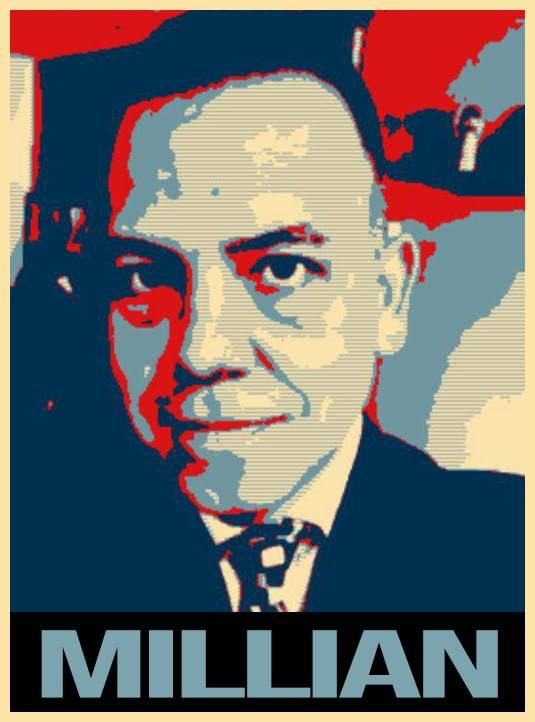
Who is Murray Rothbard?
Murray Rothbard: A Giant of Libertarian Thought
Murray Rothbard, a towering figure in the realm of Libertarianism, left an indelible mark on the movement through his profound insights, scholarly works, and unwavering commitment to individual liberty. Born in 1926, Rothbard emerged as one of the most influential thinkers in the 20th century, shaping the course of Libertarian thought and inspiring generations of scholars and activists. Let’s explore why Rothbard is considered crucial to Libertarianism and how his ideas have shaped the movement.
Early Life and Education
Rothbard’s intellectual journey began at Columbia University, where he earned his undergraduate and graduate degrees in economics. He later completed his Ph.D. at Columbia under the guidance of Joseph Dorfman, a prominent economist of the time. Rothbard’s academic background laid the groundwork for his groundbreaking contributions to economics, political theory, and ethics.
Contributions to Libertarian Thought
Rothbard’s seminal works spanned a wide range of topics, including economics, history, and political philosophy. He is perhaps best known for his role in reviving and expanding the tradition of Austrian economics, a school of thought that emphasizes the importance of individual action, subjective value, and the market process.
Advocacy for Individual Rights
Central to Rothbard’s philosophy is the primacy of individual rights and the non-aggression principle. He argued that individuals have the natural right to own property and live their lives free from coercion or interference. Rothbard’s advocacy for individual rights laid the foundation for his broader critique of government power and intervention.
Critique of the State
Rothbard was a fierce critic of the state and its monopoly on violence. He argued that governments, far from being benevolent protectors of liberty, often act as agents of oppression and exploitation. Rothbard advocated for the abolition of the state and the establishment of a voluntary society based on private property, voluntary exchange, and non-coercive relations.
Influence on the Libertarian Movement
Rothbard’s influence on the Libertarian movement cannot be overstated. His writings, including “Man, Economy, and State” and “For a New Liberty,” served as intellectual touchstones for a generation of Libertarians, inspiring them to challenge conventional wisdom and rethink the role of government in society.
Legacy and Impact
Rothbard’s legacy extends far beyond the world of academia. His ideas continue to shape the political landscape and inform public discourse on issues ranging from economics and taxation to foreign policy and civil liberties. While Rothbard’s uncompromising stance on principle sometimes led to controversy and disagreement within the Libertarian community, his commitment to liberty and intellectual rigor remain an enduring testament to his legacy.
Conclusion
In conclusion, Murray Rothbard stands as a giant of Libertarian thought, whose insights and ideas continue to resonate with scholars, activists, and advocates around the world. His unwavering dedication to individual freedom, coupled with his penetrating analysis of state power, has left an indelible mark on the Libertarian movement and inspired countless individuals to embrace the principles of liberty and autonomy. As we navigate the complexities of the modern world, Rothbard’s vision of a free and voluntary society serves as a beacon of hope and inspiration for all who cherish the values of freedom and human dignity.